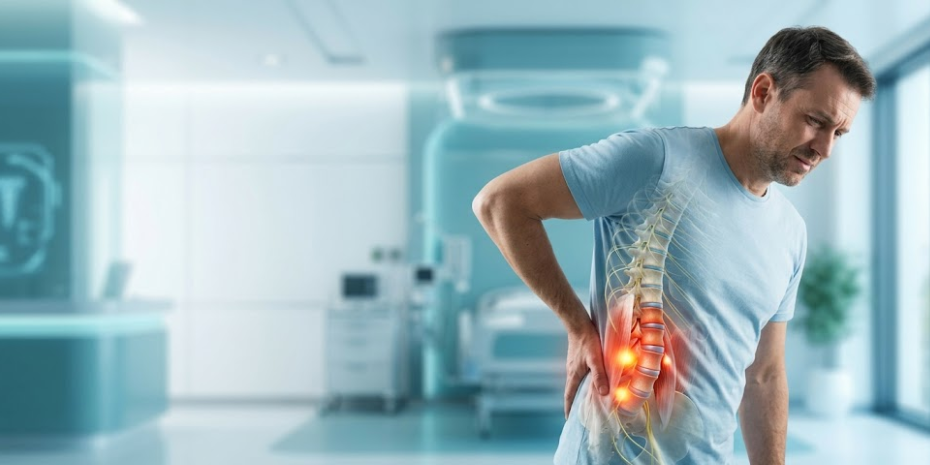
Understanding Back Pain — When Simple Care is Enough & When Expert Evaluation Matters
Back pain is one of the most common health problems affecting people of all ages.
Most individuals experience back pain at some point in life, and in many cases, the condition improves with rest, medications, physiotherapy, exercise, posture correction, and lifestyle changes.
Importantly, not all back pain requires surgery.
An ethical and evidence-based approach focuses first on identifying the exact cause of pain and recommending the least invasive, most appropriate treatment for each patient.
At our center, treatment decisions are guided by clinical evaluation, imaging findings, patient symptoms, and long-term functional outcomes — not simply MRI reports alone.
What is Back Pain?
Back pain refers to discomfort arising from structures of the spine, including:
Muscles
Ligaments
Intervertebral discs
Joints
Nerves
Bones of the spine
Pain may occur in:
Lower back (Lumbar spine)
Mid back (Thoracic spine)
Neck region (Cervical spine)
Lower back pain is the most common type.
Common Causes of Back Pain
Back pain can occur due to multiple reasons.
Common Causes Include
Muscle Strain
Often caused by poor posture, lifting injury, or overuse.
Disc Degeneration
Age-related wear and tear of spinal discs.
Slipped Disc
Disc herniation pressing on nearby nerves.
Facet Joint Arthritis
Degeneration of spinal joints.
Lumbar Canal Stenosis
Narrowing of the spinal canal causing nerve compression.
Sedentary Lifestyle
Weak core muscles and prolonged sitting contribute significantly.
Poor Ergonomics
Incorrect sitting posture, workstation setup, or sleeping habits.
Osteoporosis
Weakening of bones in elderly patients.
In rare cases, infections, tumors, or fractures may also cause back pain.
Symptoms Associated With Back Pain
Symptoms vary depending on the underlying cause.
Common Symptoms
Dull aching pain
Muscle stiffness
Difficulty bending
Pain after prolonged sitting
Pain while standing or walking
Leg pain or sciatica
Tingling or numbness
Weakness in legs
Some patients experience only localized back pain, while others may develop nerve-related symptoms.
The Important Truth: Not All Back Pain Needs Surgery
Evidence-Based & Ethical Spine Care
Most back pain improves without surgery.
Many patients recover successfully with conservative treatment and lifestyle modification.
Surgery is considered only when:
Symptoms persist despite proper treatment
Significant nerve compression is present
Weakness develops
Walking becomes difficult
Quality of life is severely affected
Structural spinal problems clearly correlate with symptoms
An MRI finding alone does not automatically mean surgery is necessary.
Many people have disc bulges or degenerative changes on MRI without requiring any operation.
The focus should always be:
“Treat the patient, not just the scan.”
Non-Surgical Treatment for Back Pain
Conservative Treatment Options
Medications
Short-term pain-relief and anti-inflammatory medicines may help reduce symptoms.
Physiotherapy
A structured rehabilitation program is often one of the most effective treatments.
Core Strengthening Exercises
Improving spinal support muscles helps reduce recurrence.
Posture Correction
Proper ergonomics during sitting, standing, and sleeping are essential.
Weight Management
Reducing excess strain on the spine improves long-term outcomes.
Lifestyle Modification
Regular activity, stretching, and movement help maintain spine health.
Injections
Selected patients may benefit from targeted spinal injections.
Most patients improve with a combination of these approaches.
When Should You See a Spine Specialist?
Expert evaluation may be helpful if you experience:
Persistent back pain lasting several weeks
Severe pain affecting daily life
Sciatica or leg pain
Numbness or tingling
Weakness in legs
Difficulty walking
Recurrent episodes of back pain
Symptoms not improving with conservative care
Early evaluation can help identify the underlying cause and guide proper treatment.
Warning Signs That Need Immediate Attention
Certain symptoms require urgent medical assessment.
Red Flag Symptoms
Sudden weakness in legs
Loss of bladder or bowel control
Severe numbness
Fever with back pain
History of cancer with new back pain
Unexplained weight loss
Major trauma
These conditions may require urgent investigation and treatment.
Role of MRI in Back Pain
MRI is an important diagnostic tool, but it should be interpreted carefully.
MRI Helps Evaluate
Slipped discs
Nerve compression
Lumbar canal stenosis
Degenerative changes
Infections
Tumors
However, MRI findings must always be correlated with:
Clinical symptoms
Physical examination
Functional limitations
Not every MRI abnormality requires surgery.
Minimally Invasive & Endoscopic Spine Surgery
When surgery becomes necessary, modern minimally invasive techniques may offer significant advantages in selected patients.
Advanced Surgical Options May Include
Endoscopic spine surgery
UBE (Unilateral Biportal Endoscopic) surgery
Minimally invasive decompression
Endoscopic discectomy
These procedures aim to:
Minimize muscle injury
Reduce postoperative pain
Enable faster recovery
Preserve normal spinal structures
Surgical decisions are individualized based on patient condition and imaging findings.
Recovery & Long-Term Spine Health
Long-term spine care focuses not only on pain relief but also on prevention of recurrence.
Important Long-Term Measures
Regular exercise
Weight control
Good posture
Ergonomic correction
Core strengthening
Active lifestyle habits
Maintaining spinal fitness is one of the best ways to reduce future back problems.
Frequently Asked Questions
Does Every Slip Disc Need Surgery?
No. Most slipped disc cases improve with conservative treatment.
Is Bed Rest Good for Back Pain?
Short rest may help temporarily, but prolonged bed rest is generally not recommended.
Can Physiotherapy Really Help?
Yes. Physiotherapy is one of the most effective treatments for many types of back pain.
When is Surgery Needed?
Surgery is considered when symptoms persist despite proper conservative treatment or when significant nerve compression is present.
Is Endoscopic Spine Surgery Better?
Minimally invasive and endoscopic techniques may offer faster recovery and less tissue damage in selected patients.
Our Philosophy: Ethical, Patient-Centered Spine Care
Every patient is different.
Our approach focuses on:
Accurate diagnosis
Conservative treatment whenever appropriate
Evidence-based recommendations
Personalized care plans
Advanced minimally invasive options only when genuinely needed
The goal is always to provide the safest, most effective, and most appropriate treatment for each individual patient.
Book a Spine Consultation
If you are experiencing persistent back pain, sciatica, numbness, or difficulty with daily activities, expert evaluation can help determine the cause and guide the right treatment plan.
Schedule Your Appointment Today
Back Pain Evaluation
MRI Review
Physiotherapy Guidance
Endoscopic Spine Surgery Consultation
Second Opinion for Spine Problems