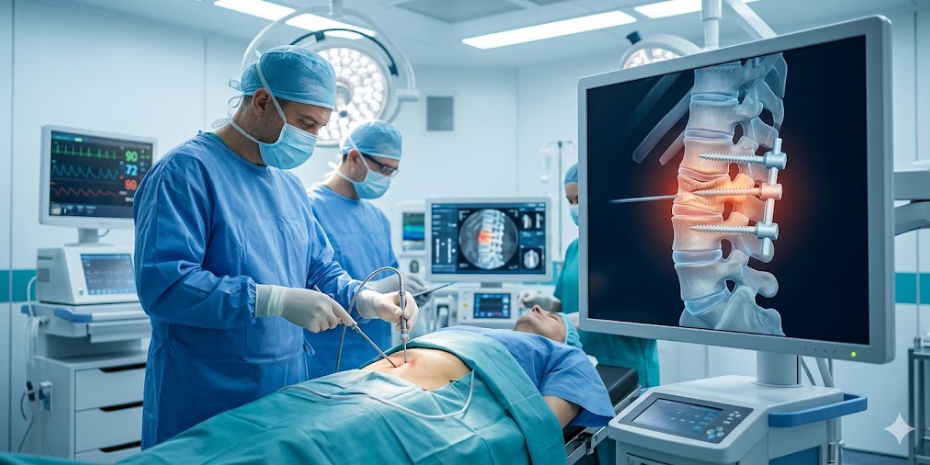
Advanced Spine Fracture Treatment with Smaller Incisions & Faster Recovery
Minimally Invasive Spine Fracture Stabilization refers to advanced surgical techniques used to stabilize spinal fractures through smaller incisions while minimizing muscle and tissue damage.
Traditional open fracture surgery often requires large incisions and extensive muscle dissection. Modern minimally invasive techniques aim to provide effective spinal stabilization with:
Reduced tissue trauma
Smaller scars
Less blood loss
Faster mobilization
Reduced postoperative pain
Shorter hospital stay in selected cases
These techniques are increasingly used for selected spinal fractures caused by:
Trauma
Osteoporosis
Weak bones
Falls
Accidents
The goal is to stabilize the spine, protect the nerves, reduce pain, and help patients return to mobility safely.
What is Minimally Invasive Spine Fracture Stabilization?
This procedure uses specialized minimally invasive surgical techniques to stabilize fractured spinal bones without large open surgical exposure.
The surgery may involve:
Percutaneous pedicle screw fixation
Cement augmentation procedures
Balloon kyphoplasty
Vertebroplasty
Minimally invasive decompression in selected cases
Small incisions and image-guided technology help surgeons place implants precisely while preserving surrounding muscles and tissues.
Who May Need Spine Fracture Stabilization?
Not all spinal fractures require surgery.
Many stable fractures can heal with:
Bracing
Medications
Rest
Physiotherapy
Activity modification
Surgery may be considered when the fracture causes:
Spinal instability
Severe pain
Nerve compression
Deformity
Difficulty walking
Progressive collapse
Common Conditions Treated
Traumatic Spine Fractures
Fractures caused by road accidents, falls, or injuries.
Osteoporotic Compression Fractures
Weak bone fractures commonly seen in elderly patients.
Burst Fractures
More severe fractures involving collapse of the vertebral body.
Unstable Spine Fractures
Fractures affecting spinal alignment or stability.
Fractures with Nerve Compression
Fractures causing weakness, numbness, or neurological symptoms.
Common Symptoms That May Require Evaluation
Severe back pain after injury
Difficulty standing or walking
Pain worsening with movement
Height loss or spinal deformity
Numbness or tingling
Weakness in arms or legs
Pain not improving with conservative treatment
Urgent evaluation is important after spinal trauma or suspected fracture.
How is Minimally Invasive Spine Fracture Stabilization Performed?
The exact procedure depends on the type and severity of fracture.
Step-by-Step Overview
Preoperative Evaluation
MRI, CT scan, and X-rays help assess fracture stability and nerve compression.
Small Skin Incisions
Tiny incisions are made near the affected spinal level.
Image-Guided Surgery
Advanced imaging systems help guide accurate implant placement.
Percutaneous Screw Placement
Specialized screws and rods may be inserted through small incisions to stabilize the spine.
Cement Augmentation (Selected Cases)
Bone cement may be used in osteoporotic fractures to strengthen collapsed vertebrae.
Decompression (If Needed)
Compressed nerves may be relieved in selected patients.
Tissue Preservation
Muscles and soft tissues are preserved as much as possible.
Common Minimally Invasive Spine Fracture Procedures
Percutaneous Pedicle Screw Fixation
Stabilizes the spine using screws and rods placed through small incisions.
Kyphoplasty
A balloon is inserted into the collapsed vertebra before cement injection to restore height.
Vertebroplasty
Bone cement is injected into fractured vertebrae for stabilization.
Minimally Invasive Decompression & Stabilization
Used when fractures compress nearby nerves.
The final procedure depends on fracture type, bone quality, and patient condition.
Benefits of Minimally Invasive Spine Fracture Stabilization
Key Advantages
Smaller Incisions
Reduced surgical exposure compared to open surgery.
Less Muscle Damage
Muscles are preserved instead of extensively detached.
Reduced Blood Loss
Minimally invasive approaches often reduce bleeding.
Reduced Postoperative Pain
Less tissue trauma may improve comfort after surgery.
Faster Mobilization
Patients may begin walking earlier.
Shorter Hospital Stay
Hospitalization may be reduced in selected patients.
Improved Fracture Stability
The procedure helps restore spinal support and alignment.
Reduced Bed Rest Complications
Early mobilization may lower complications related to prolonged immobility.
Smaller Scars
Cosmetic outcomes are generally improved.
Risks & Limitations
Although minimally invasive spine fracture surgery offers many benefits, every spinal procedure carries potential risks.
Possible Risks Include
Infection
Bleeding
Implant-related complications
Cement leakage in selected procedures
Nerve irritation or injury
Persistent pain
Adjacent level fractures
Incomplete symptom relief
Limitations of Minimally Invasive Fracture Surgery
Not all fractures are suitable for minimally invasive treatment.
Open surgery or alternative approaches may be required for:
Severe spinal deformity
Major spinal cord injury
Complex multi-level trauma
Severe instability
Certain tumor-related fractures
Proper patient selection is extremely important.
Recovery Timeline After Spine Fracture Stabilization
Recovery depends on:
Type of fracture
Severity of injury
Bone quality
Neurological condition
Overall patient health
General Recovery Timeline
Same Day / Next Day
Selected patients may begin walking early with support
1–2 Weeks
Improvement in surgical discomfort
Gradual increase in activity
2–6 Weeks
Improved mobility and pain control
Rehabilitation progresses
6–12 Weeks
Continued fracture healing and strengthening
Long-Term Recovery
Bone strengthening
Osteoporosis management
Physiotherapy
Fall prevention strategies
Recovery may take longer in elderly patients or severe trauma cases.
Who May Not Be Suitable for Minimally Invasive Stabilization?
Alternative approaches may be recommended for patients with:
Severe spinal cord injury
Complex deformity
Extensive multi-level trauma
Major instability requiring open reconstruction
Severe medical risk factors
The final treatment strategy should always be individualized.
Frequently Asked Questions
Does Every Spine Fracture Need Surgery?
No. Many stable fractures heal successfully with conservative treatment and bracing.
Is Minimally Invasive Fracture Surgery Safe?
When performed in appropriately selected patients, minimally invasive fracture stabilization is considered safe and effective
What is Kyphoplasty?
Kyphoplasty is a minimally invasive procedure where a balloon and bone cement are used to stabilize certain compression fractures.
Will Implants Be Used?
Some patients may require screws and rods for spinal stabilization depending on fracture severity.
How Soon Can I Walk After Surgery?
Many patients begin mobilization early after minimally invasive stabilization procedures.
Is Recovery Faster Than Open Surgery?
Many patients experience less tissue damage and faster recovery compared to traditional open surgery.
Can Elderly Patients Undergo These Procedures?
Selected elderly patients with osteoporotic fractures may benefit significantly from minimally invasive stabilization techniques.
Ethical & Evidence-Based Spine Trauma Care
Modern spine fracture treatment should always focus on:
Accurate diagnosis
Fracture stability assessment
Nerve protection
Conservative treatment whenever appropriate
Minimally invasive stabilization when suitable
Personalized rehabilitation planning
Not every spinal fracture requires surgery, and treatment should always be individualized
Book a Consultation for Spine Fracture Evaluation
If you are experiencing severe back pain after a fall, accident, or injury, expert spine evaluation is important to assess spinal stability and determine the most appropriate treatment plan.
Schedule Your Appointment Today
Spine Fracture Evaluation
MRI & CT Scan Review
Osteoporotic Fracture Assessment
Minimally Invasive Stabilization Consultation
Second Opinion for Spine Trauma