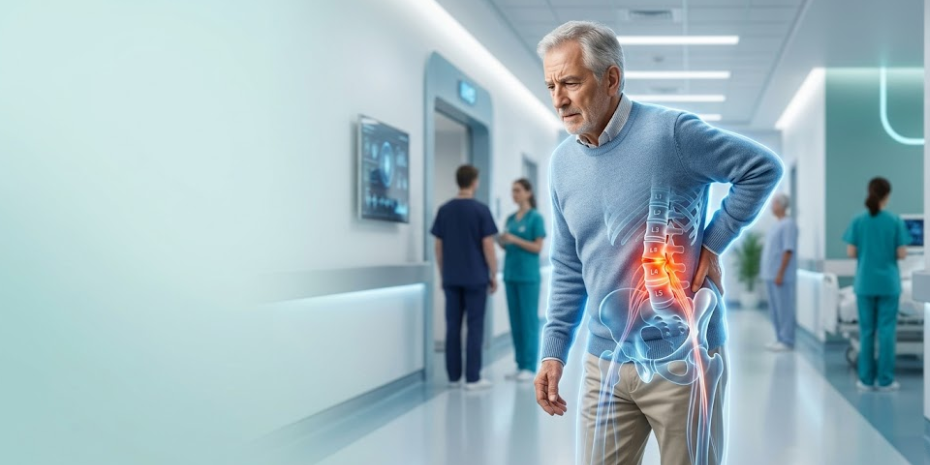
Understanding Lumbar Canal Stenosis & Modern Treatment Options
Lumbar Canal Stenosis is a common spinal condition, particularly in older adults, where narrowing of the spinal canal compresses the nerves in the lower back. This can cause pain, numbness, weakness, and difficulty walking, often leading to progressive limitations in daily activities.
Modern minimally invasive techniques such as UBE (Unilateral Biportal Endoscopic) Decompression offer advanced treatment options with smaller incisions, less tissue damage, and faster recovery in selected patients.
What is Lumbar Canal Stenosis?
The spinal canal is the passage through which spinal nerves travel. Lumbar Canal Stenosis occurs when this space becomes narrowed, placing pressure on the nerves in the lower back.
The condition usually develops gradually and becomes more common with age.
Common Causes of Lumbar Canal Stenosis
Age-Related Degeneration
The most common cause, resulting from natural wear and tear of the spine.
Disc Bulging
Degenerated or bulging discs may reduce the space available for spinal nerves.
Thickened Ligaments
Spinal ligaments can enlarge over time and contribute to nerve compression.
Facet Joint Arthritis
Arthritic enlargement of spinal joints can narrow the canal.
Bone Spurs
Extra bone formation may further compress nearby nerves.
Symptoms of Lumbar Canal Stenosis
Symptoms often progress slowly and can significantly affect mobility and quality of life.
Common Symptoms
· Lower back pain
· Leg pain while walking
· Heaviness in the legs
· Numbness or tingling
· Muscle weakness
· Difficulty standing for long periods
· Balance problems
· Reduced walking distance
· Relief of symptoms while bending forward or sitting
Many patients notice temporary relief when leaning forward, such as while pushing a shopping cart or sitting down.
Walking Difficulty & Neurogenic Claudication
What is Neurogenic Claudication?
Neurogenic claudication is one of the hallmark symptoms of lumbar canal stenosis. It occurs when compressed nerves cause pain, heaviness, weakness, or numbness in the legs during walking or prolonged standing.
Common Features
· Pain increases with walking
· Symptoms improve with sitting or bending forward
· Walking distance gradually decreases
· Leg weakness or numbness may occur
· Difficulty standing upright for long periods
This condition can significantly impact independence and daily functioning.
Lumbar Canal Stenosis in Elderly Patients
Lumbar stenosis is particularly common in elderly individuals because of age-related spinal degeneration.
Common Problems Faced by Elderly Patients
· Reduced walking distance
· Fear of falling
· Leg fatigue
· Difficulty performing routine activities
· Reduced independence
· Sleep disturbance due to pain
Because symptoms often progress gradually, many individuals assume they are simply part of normal aging and delay seeking treatment. Early evaluation may help preserve mobility and improve quality of life.
Diagnosis of Lumbar Canal Stenosis
A comprehensive evaluation typically includes:
· Clinical examination
· Neurological assessment
· MRI scan
· X-rays (in selected cases)
Why is MRI Important?
MRI helps identify:
· Spinal canal narrowing
· Nerve compression
· Disc degeneration
· Ligament thickening
· Associated spinal instability
Treatment decisions are based on symptoms, physical examination findings, and imaging results.
Non-Surgical Treatment Options
Many patients improve with conservative treatment, particularly in the early stages of the condition.
Conservative Care May Include
Medications
Pain-relieving and anti-inflammatory medications.
Physiotherapy
Exercises aimed at improving flexibility, strength, posture, and balance.
Activity Modification
Avoiding prolonged standing and activities that worsen symptoms.
Lifestyle Changes
Weight management and guided exercise programs.
Epidural Injections
In selected patients, injections may help reduce nerve inflammation and pain.
While non-surgical treatment can effectively control symptoms, severe nerve compression may require surgical decompression.
UBE Decompression Surgery
Advanced Minimally Invasive Treatment for Lumbar Stenosis
UBE (Unilateral Biportal Endoscopic) Decompression is a modern minimally invasive surgical technique used to relieve nerve compression caused by lumbar canal stenosis.
The procedure utilizes:
· One small portal for the endoscopic camera
· One small portal for surgical instruments
This approach allows precise decompression while minimizing muscle and tissue injury.
Goals of UBE Decompression
· Relieve pressure on spinal nerves
· Improve walking ability
· Reduce leg pain and numbness
· Preserve spinal stability
· Minimize tissue damage
Advantages of UBE Decompression
Key Benefits
· Tiny incisions
· Less muscle damage
· Reduced blood loss
· Lower postoperative pain
· Faster recovery
· Early mobilization
· Shorter hospital stay
· Smaller scars
UBE also provides excellent visualization of spinal structures, making it one of the most advanced techniques in modern endoscopic spine surgery.
Recovery After UBE Decompression
Recovery varies depending on the severity of stenosis, overall health, age, and duration of nerve compression.
General Recovery Timeline
Same Day / Next Day
· Walking usually begins early
1–2 Weeks
· Improvement in surgical discomfort
· Gradual increase in daily activities
2–6 Weeks
· Improved walking capacity
· Better mobility
· Return to light routine activities
6–12 Weeks
· Continued strengthening and rehabilitation
Physiotherapy may be recommended to improve balance, mobility, and muscle strength during recovery.
When Should You Seek Medical Evaluation?
Consult a spine specialist if you experience:
· Progressive walking difficulty
· Leg pain while walking
· Numbness or weakness
· Frequent falls or balance problems
· Symptoms that do not improve with conservative treatment
Early diagnosis and treatment may help prevent worsening nerve damage and mobility limitations.
Frequently Asked Questions
Is Lumbar Canal Stenosis Common in Elderly Patients?
Yes. It is one of the most common degenerative spine conditions affecting older adults.
Can Lumbar Stenosis Improve Without Surgery?
Many mild to moderate cases improve with medications, physiotherapy, and lifestyle modifications.
Is Walking Difficulty Reversible?
Improvement depends on the severity and duration of nerve compression. Many patients experience significant improvement after appropriate treatment.
Is UBE Surgery Safe for Older Patients?
UBE is a minimally invasive procedure that may be suitable for selected elderly patients because it minimizes tissue trauma and often supports faster recovery.
How Long is Hospital Stay After UBE Surgery?
Hospital stays are often shorter than with traditional open surgery, depending on the patient's condition and the procedure performed.
Book a Consultation for Lumbar Canal Stenosis
If you are experiencing leg pain while walking, numbness, weakness, balance problems, or reduced walking distance, a specialist spine evaluation can help identify the cause and determine the most appropriate treatment plan.
Consultation Services
✓ MRI Review
✓ Lumbar Stenosis Evaluation
✓ Endoscopic Spine Surgery Consultation
✓ Second Opinion
✓ Personalized Spine Care