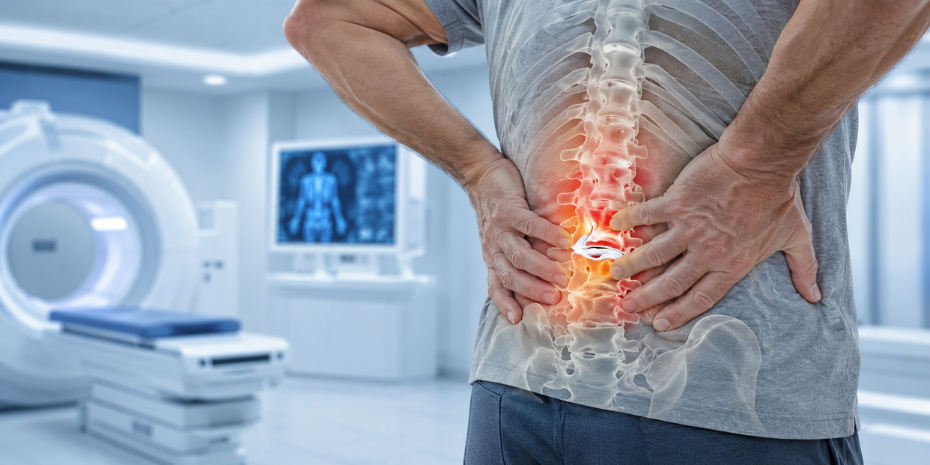
Understanding Slipped Disc & Modern Treatment Options
A slipped disc, also known as a Lumbar Disc Herniation or Disc Prolapse, is one of the most common causes of lower back pain and sciatica.
The condition occurs when the soft inner portion of a spinal disc bulges or protrudes outward and compresses nearby nerves.
This pressure on spinal nerves can cause pain, tingling, numbness, or weakness in the back and legs.
Most slipped disc cases improve with conservative treatment, while selected patients may benefit from advanced minimally invasive procedures such as UBE (Unilateral Biportal Endoscopic) Spine Surgery.
What is a Slipped Disc?
The spine contains cushion-like structures called intervertebral discs between the bones (vertebrae).
These discs act as shock absorbers and help with flexibility and movement.
A slipped disc occurs when:
The outer layer of the disc weakens or tears
The inner soft material bulges outward
Nearby spinal nerves become compressed
The condition most commonly affects the lumbar spine (lower back).
Common Causes
Age-related degeneration
Heavy lifting
Sudden twisting injury
Poor posture
Sedentary lifestyle
Repetitive strain
Obesity
Symptoms of Slipped Disc
Symptoms vary depending on the size and location of the disc herniation.
Common Symptoms Include
Lower back pain
Pain radiating to the leg
Sciatica
Tingling sensation
Numbness
Muscle weakness
Difficulty walking
Pain while sitting, bending, or coughing
Some patients may experience only mild discomfort, while others may develop severe nerve pain.
What is Sciatica?
Sciatica refers to pain caused by irritation or compression of the sciatic nerve, usually due to a slipped disc.
The pain typically travels from the lower back into:
Buttock
Thigh
Calf
Foot
Common Sciatica Symptoms
Sharp shooting leg pain
Burning sensation
Electric shock-like pain
Tingling
Numbness
Weakness in the leg
Sciatica may worsen during sitting, coughing, sneezing, or prolonged standing.
When Medicines & Physiotherapy May Be Enough
Many patients with slipped disc improve without surgery.
Conservative Treatment May Include
Pain-relief medicines
Anti-inflammatory medications
Physiotherapy
Activity modification
Core strengthening exercises
Lifestyle changes
Posture correction
When Non-Surgical Treatment Works Best
Conservative treatment is often effective when:
Symptoms are mild to moderate
No major weakness is present
Pain duration is short
Daily activities remain manageable
Most patients improve within several weeks with proper treatment and rehabilitation.
When Surgery May Be Needed
Surgery may be considered when symptoms persist despite conservative treatment or when nerve compression becomes severe.
Common Indications for Surgery
Persistent severe sciatica
Progressive weakness
Difficulty walking
Severe nerve compression on MRI
Pain not improving with medicines or physiotherapy
Recurrent slipped disc episodes
Loss of bladder or bowel control (medical emergency)
The decision for surgery depends on symptoms, neurological examination, MRI findings, and quality of life impact.
UBE Discectomy
Advanced Minimally Invasive Slipped Disc Surgery
UBE (Unilateral Biportal Endoscopic) Discectomy is an advanced minimally invasive spine surgery technique used to remove the herniated disc fragment compressing the nerve.
This procedure uses:
One tiny portal for the camera
One portal for surgical instruments
Advantages of UBE Discectomy
Tiny incisions
Minimal muscle damage
Less blood loss
Reduced postoperative pain
Faster recovery
Early mobilization
Shorter hospital stay
Smaller scars
UBE surgery allows precise decompression of the affected nerve while preserving surrounding tissues.
It is considered one of the latest advancements in modern endoscopic spine surgery.
Recovery After Slipped Disc Surgery
Recovery varies depending on the severity of the condition, surgical technique, and patient health.
General Recovery Timeline
Same Day / Next Day
Walking usually begins within hours
First 1–2 Weeks
Gradual reduction in pain
Light activities resumed
2–6 Weeks
Improvement in mobility
Return to routine work in selected cases
6–12 Weeks
Progressive rehabilitation and strengthening
Physiotherapy and posture correction play an important role in long-term recovery.
Frequently Asked Questions
Can a Slipped Disc Heal Without Surgery?
Yes. Many slipped disc cases improve with medicines, physiotherapy, and lifestyle modifications.
Is Sciatica Always Caused by a Slipped Disc?
No. Sciatica may also occur due to spinal stenosis, nerve compression, or other spinal conditions.
How Long Does Recovery Take?
Recovery depends on the severity of symptoms and treatment method. Many patients recover within weeks, while others may require longer rehabilitation.
Is UBE Surgery Safe?
UBE is considered a safe and advanced minimally invasive procedure when performed by experienced spine surgeons in appropriately selected patients.
Will There Be a Large Scar After Surgery?
No. UBE surgery uses very small incisions, resulting in minimal scarring.
When Can I Return to Work?
Many patients can return to light work within a few weeks depending on recovery and job requirements.
When Should You Seek Immediate Medical Attention?
Urgent evaluation may be required if you develop:
Severe weakness
Difficulty walking
Loss of bladder or bowel control
Sudden worsening numbness
These symptoms may indicate significant nerve compression.
Book a Consultation for Slipped Disc Treatment
If you are suffering from persistent back pain, sciatica, numbness, or slipped disc symptoms, expert spine evaluation can help determine the most appropriate treatment approach.
Schedule Your Appointment Today
MRI Review
Spine Consultation
Sciatica Evaluation
Endoscopic Spine Surgery Consultation
Second Opinion for Spine Surgery